The WATCHMAN™ Device: A Closer Look at This Popular Option for AFib Patients
Nov 11, 2026
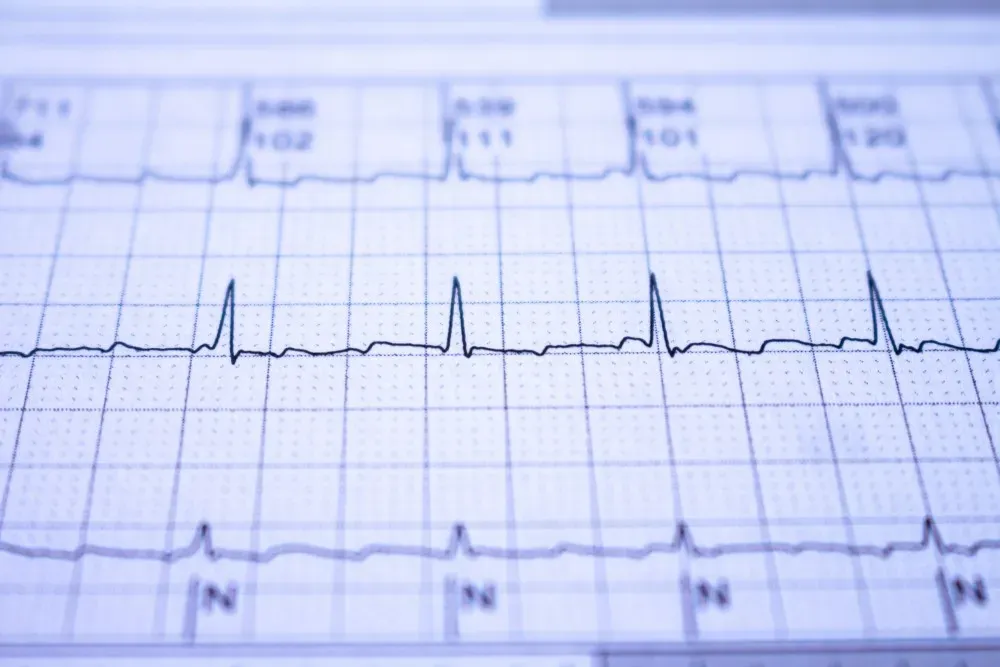
You’ve lived with atrial fibrillation (AFib) for years, and along with it, a congenital heart condition that has shaped your care since childhood. Now you’re facing a decision about how to protect yourself from stroke in the long term.
Blood thinners have been part of your treatment plan, but you want to learn about other options. The WATCHMAN™ device is a small implant that can offer meaningful protection from stroke without lifelong blood thinners, and it might be a good alternative for you.
Dr. Devyani Chowdhury and our team at Cardiology Care for Children in Gordonville, Lancaster, and Mifflinburg, Pennsylvania, and Shipshewana, Indiana, specialize in congenital heart conditions, and we can help you understand whether the WATCHMAN device makes sense for someone with your heart history.
The WATCHMAN is a small, umbrella-shaped implant designed to close the left atrial appendage, which is a pouch-like structure in the upper left chamber of your heart. If you have AFIB, blood can pool in this area during irregular heartbeats and form clots.
A blood clot that breaks loose can travel to your brain and cause a stroke, and this is actually the most common source of these clots in people with nonvalvular AFib. Closing off the left atrial appendage with the WATCHMAN device removes that risk completely.
Getting the WATCHMAN device requires a straightforward, minimally invasive procedure. Dr. Chowdhury places a catheter into a vein (usually in your upper leg), then guides it to your heart with real-time imaging. She moves the catheter through the wall between the upper chambers of your heart, and then deploys the device into the left atrial appendage.
Over the following weeks and months, tissue grows over the device and seals the opening. Because the procedure avoids open-heart surgery, most patients stay in the hospital for a short time and return to normal activity within a relatively brief recovery period.
After the device is placed, you typically take a blood thinner for a period while the appendage closes off, and then your care team reassesses your medication needs. Follow-up imaging confirms that the device is in the right position and that the appendage is completely closed.
Adults with congenital heart disease often have heart anatomy that differs from the typical patient. Previous surgical repairs, patches, or the way blood flows through your heart can all affect whether WATCHMAN is a good fit, and it’s important to discuss your heart history and your treatment options with your care team.
Some adults who had atrial surgery in childhood, like procedures used to correct transposition of the great arteries, have altered atrial anatomy that requires careful imaging before any device decision is made. Others may have valve problems or structural features that change the approach. In these cases, transesophageal echocardiogram or a cardiac computed tomography (CT) scan is often used to measure the appendage and confirm that the device will seat properly.
Thorough evaluation matters, and our team at Cardiology Care for Children can help. We have extensive experience diagnosing and managing congenital conditions, and we can provide insight regarding your congenital history, your current heart function, your imaging, and the specific shape of your left atrial appendage.
The WATCHMAN device might be a good option for you if you have AFib and a stroke risk that calls for anticoagulation medication, but blood thinners are not a good long-term option for you.
This might happen if you’ve had significant bleeding on anticoagulants, have a condition that makes bleeding more dangerous, have trouble keeping up with the monitoring anticoagulation requires, or have certain other risk factors. Some patients simply want to reduce their reliance on daily medication if their anatomy and overall health allow it, and it’s something worth discussing with our team.
It’s important to note that WATCHMAN isn’t a good fit for everyone. Patients with certain valve conditions, active clots, or heart anatomy that prevents safe placement may need a different plan. We’ll weigh these factors alongside your personal preferences to help you make an informed decision about your care.
If you’re an adult managing AFib alongside a congenital heart condition and you’re wondering whether WATCHMAN could be right for you, schedule a consultation with our team at Cardiology Care for Children today by calling 717-925-8300.